Maha Shivratri 2024: Complete Guide to Rituals, Fasting and Rudrabhishek Vidhi
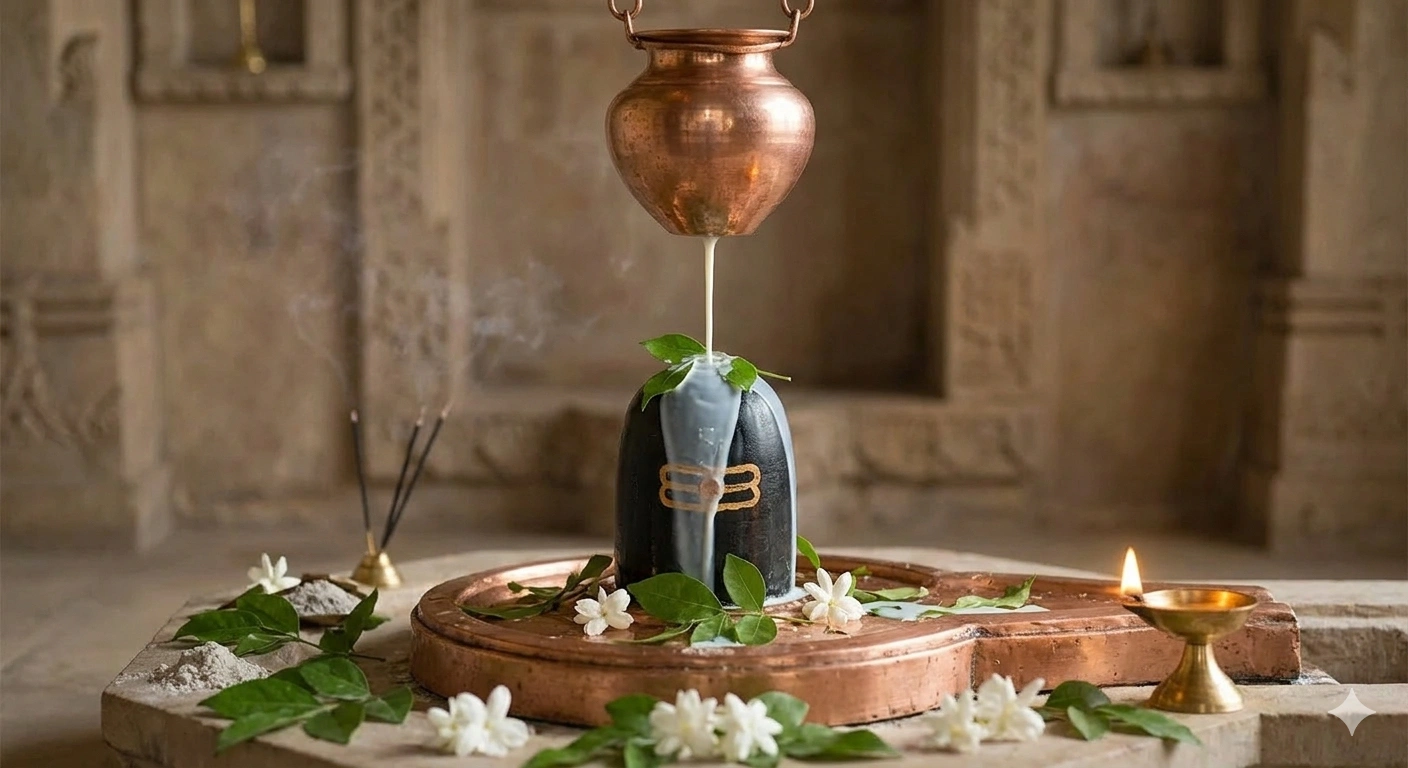
Maha Shivratri, known as the "Great Night of Shiva," is one of the most significant festivals in Hindu tradition dedicated to Lord Shiva. Celebrated on the 14th night of the dark fortnight in the month of Phalguna (February-March), this sacred occasion holds immense spiritual importance for devotees seeking blessings of the Supreme Deity.
The significance of Maha Shivratri extends beyond mere celebration – it represents the marriage of Lord Shiva with Goddess Parvati, and also the night when Lord Shiva performed the Tandava, the cosmic dance of creation, preservation, and destruction. Devotees observe this night with deep devotion, performing rituals throughout the night to attain moksha and liberation from the cycle of birth and death.
Maha Shivratri 2024 Important Dates:
- Chaturdashi Tithi Begins: March 8, 2024
- Chaturdashi Tithi Ends: March 9, 2024
- Nishita Kaal Puja Time: Midnight, March 8-9, 2024
- Four Prahar Puja: To be performed throughout the night
Fasting Rules (Vrat Vidhi):
- Begin fast at sunrise on the day of Shivratri
- Observe complete or partial fast based on capability
- Consume only fruits, milk, and satvik food if partial fast
- Avoid grains, rice, wheat, and salt in traditional fasting
- Break the fast next morning after Parana after sunrise
Rudrabhishek Vidhi (Sacred Abhishekam):
The most important ritual of Maha Shivratri is Rudrabhishek – the ceremonial bathing of the Shiva Lingam. Each offering carries specific significance:
- Water – for purity and spiritual cleansing
- Milk – for prosperity and longevity
- Curd – for happiness and good fortune
- Ghee – for victory over enemies
- Honey – for sweet speech and harmony
- Sugar – for removal of bitterness
- Bilva Patra – sacred leaves offering, highly favored by Lord Shiva
- Dhatura and Bhang – for removing negative energies
Four Prahar Puja:
The night is divided into four prahars (periods of 3 hours each), with specific rituals for each:
- First Prahar: Puja with focus on worldly desires and fulfillment
- Second Prahar: Puja for family welfare and prosperity
- Third Prahar: Puja for spiritual growth and knowledge
- Fourth Prahar: Puja for liberation and moksha
Connect with our Pandits for personalized Maha Shivratri rituals, including Rudrabhishek performed with proper Vedic mantras and procedures.